Altitude sickness (soroche) is common in destinations such as Cusco, Puno, and other Andean areas. It occurs when the body is not accustomed to the lower amount of oxygen in the air at high altitudes. Symptoms may begin to appear above 2,500 m, although each person reacts differently.
Symptoms
Symptoms usually appear between 6 and 24 hours after arrival:
- Mild to moderate: headache, nausea or vomiting, loss of appetite, fatigue, dizziness, difficulty sleeping, irritability, and shortness of breath during physical activity.
- Severe (require medical attention and descent to a lower altitude): confusion, difficulty walking, shortness of breath even at rest, coughing up pink frothy sputum or blood, and vomiting that prevents you from keeping fluids down.
Altitudes of Major Destinations
- High risk (> 3,500 m): Puno (3,827 m), La Raya Pass (4,335 m), and some sections of the Inca Trail.
- Moderate risk (2,500-3,500 m): Cusco (3,399 m), Ollantaytambo (2,792 m), and Pisac (2,972 m).
- Low risk (< 2,500 m): Arequipa (2,335 m), Machu Picchu (2,430 m), and Lima (sea level).
How to Prevent Altitude Sickness
Gradual Acclimatization
This is the most effective method. Once you are above 3,000 m, it is recommended not to increase your sleeping altitude by more than 500 m per day.
If you fly directly to Cusco, allow at least 2-3 days of rest before taking demanding excursions. One option is to visit Arequipa (2,335 m) first to adapt with less risk.
Nutrition
During the first few days, avoid very heavy, fatty, or highly seasoned foods, as well as alcohol (which causes dehydration and can worsen symptoms).
Better options include easily digestible carbohydrates (quinoa, potatoes, rice, oatmeal), fruits such as bananas or apples, and light broths or soups.
Hydration
Drink 3-4 liters of water per day, even if you are not thirsty. Room-temperature or warm water is preferable. Very cold water may upset your stomach. Limit coffee or strong tea.
Signs of dehydration include dark urine, a constantly dry mouth, dizziness when standing up, and significant fatigue.

Natural Remedies
Coca Leaves
This is the most widely used remedy in the Andes. Coca tea is milder and more convenient for most tourists (3-4 cups per day). Chewing coca leaves has a stronger effect: 10-15 leaves are placed inside the cheek and kept there for 30-45 minutes.
Coca leaves are legally sold in markets, pharmacies, and stores in Cusco, Puno, and other Andean cities (also in candies or cookies).
Other Remedies
- Muña: an herbal tea used to relieve nausea and digestive discomfort.
- Barley water: boil pearl barley for about 20 minutes, strain it, and drink it warm. It helps with hydration and is gentle on the stomach.

Medications
Acetazolamide (Diamox)
It is the most commonly used medication to prevent and treat altitude sickness. The usual dosage is 125-250 mg twice daily, starting the day before ascending. Consult your doctor before your trip (especially if you have a sulfa allergy or kidney problems). It may cause tingling in the hands and feet or change the taste of carbonated beverages.
Pain Relievers
Ibuprofen (400 mg every 8 hours) usually works better than acetaminophen for altitude-related headaches. Avoid aspirin. Take these medications with food.
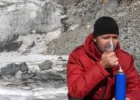
Portable Oxygen
It provides temporary relief but does not replace acclimatization. Many hotels in Cusco and Puno have it available for guests.
Tips by Destination
- Cusco (3,399 m): On your first day, go directly to your hotel and rest. Walk slowly and avoid strenuous physical activity during the first 48 hours. Tours to Machu Picchu take you to a lower altitude (2,430 m). The Sacred Valley can help with gradual acclimatization.
- Puno (3,827 m): It is located at a higher altitude than Cusco. If you are coming from Cusco, you will already be somewhat acclimatized. Avoid long walks during the first few days. Nights are cold, so dress warmly.
- Arequipa (2,335 m): It rarely causes serious problems. It is a good option for acclimatizing before ascending to higher altitudes. Excursions to Colca Canyon involve higher elevations, so it is better to take them after spending a couple of days in the city.
When to Seek Medical Help
Seek medical attention or descend to a lower altitude if you experience: confusion or changes in behavior, severe difficulty breathing at rest, coughing up pink frothy sputum or blood, vomiting that prevents you from keeping fluids down for more than 24 hours, a severe headache that does not improve, or loss of balance.
In Cusco: Hospital Nacional Dos de Mayo and Clínica Pardo.
In Puno: Hospital Manuel Núñez Butrón.
In Arequipa: Hospital Nacional Carlos Alberto Seguín Escobedo.
Purchase travel insurance that covers altitude-related health problems and medical evacuation (some policies exclude altitudes above 3,000 m). Carry emergency contact numbers and a copy of your insurance policy.