
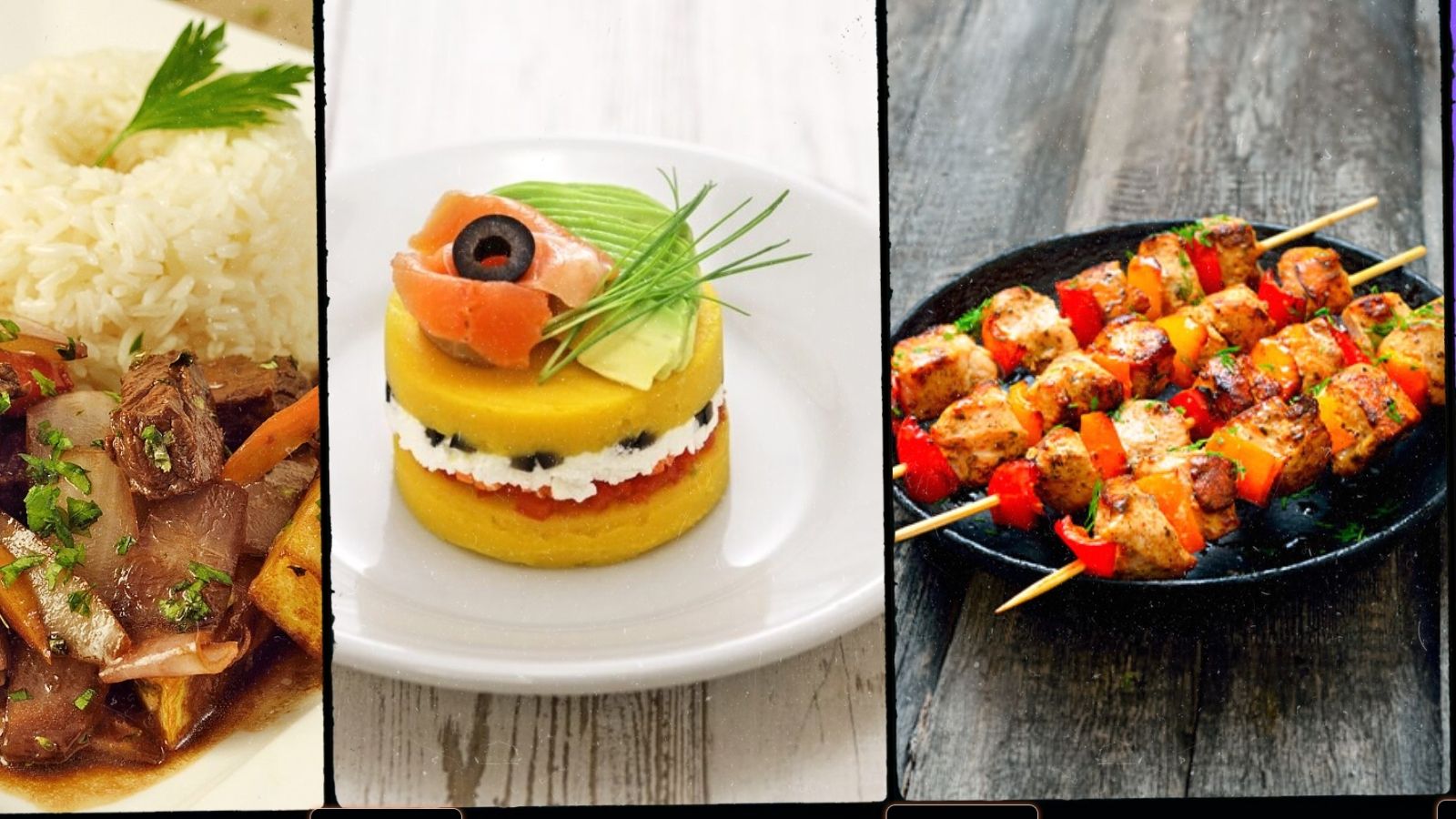
Peru awaits you with a table full of unique flavors. Each dish tells the story of a country where ancestral ingredients are transformed into gastronomic experiences that awaken all your senses. Here you will discover what makes Peruvian gastronomy so special and which are the 30 typical dishes of Peru that you definitely should not miss.
Why is Peruvian gastronomy considered one of the best in the world?
Peruvian cuisine has conquered international palates because it combines millennia-old techniques with constant innovation. Peruvian chefs have managed to bring local ingredients such as quinoa, ají amarillo, and the many varieties of potato to the most exclusive restaurants on the planet.
The country’s biodiversity offers more than 3,000 varieties of potato, 35 types of corn, and a coastline that provides fresh fish and seafood all year round. This natural wealth allows the creation of dishes with intense flavors and unique textures that are hard to find anywhere else.
International recognition supports this reputation: Peruvian restaurants occupy prominent positions on the world’s best lists, and Lima has established itself as the gastronomic capital of South America.
The historical and cultural value of Peruvian cuisine
Fusion of cultures
Peruvian gastronomy was born from the encounter of different cultures over the centuries. The Incas contributed ingredients such as potatoes, quinoa, and chili peppers. The Spanish brought wheat, rice, and new meats. Africans introduced cooking techniques and seasonings. Chinese immigrants created the chifa fusion, while the Japanese developed nikkei cuisine.
This cultural mix was no coincidence. Each community adapted its culinary traditions to local ingredients, creating completely new preparations. The result is a mestizo cuisine that reflects the country’s multicultural identity.
Native ingredients
Peru is the center of origin of ingredients that feed the world today. The potato, cultivated here for about 8,000 years, has varieties ranging from the creamy yellow potato to the purple potato, rich in antioxidants.
Chili peppers, present in almost every Peruvian dish, contribute not only heat but also complex flavors. Ají amarillo is sweet and fruity, rocoto is intense and fleshy, and ají panca is smoky and earthy. Each variety completely transforms the character of a dish.
Quinoa, considered a superfood, was the sacred grain of the Incas. Its high protein content and versatility have made it a star ingredient in modern cuisine.
Cuisine as cultural heritage
The Peruvian government declared national cuisine as Cultural Heritage of the Nation, recognizing that it transcends simple food. Each dish preserves ancestral knowledge about agriculture, preservation techniques, and social rituals.
Recipes are passed down from generation to generation, adapting without losing their essence. A Lima grandmother can prepare a causa in a way very similar to how her great-grandmother did, while incorporating ingredients that were not previously in her pantry.
The 30 best typical dishes of Peru
Dishes from the Coast
Ceviche
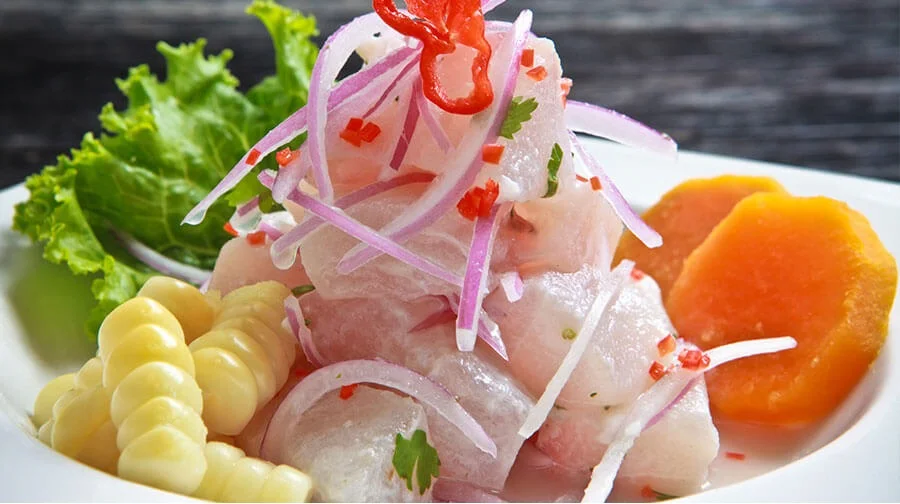
Ceviche is the gastronomic ambassador of Peru. Fresh fish cut into cubes is “cooked” in the citric acid of lime, mixed with red onion, chili, salt, and cilantro. The freshness of the fish is essential: it must be of the day, firm, and without a strong smell.
Preparation requires precision in timing. The fish must be marinated just long enough to cook without becoming rubbery. It is served with sweet potato, corn, toasted corn, and lettuce. The “leche de tigre” (the resulting liquid) is often drunk as an aphrodisiac.
Arroz con mariscos
This dish concentrates the flavors of the Peruvian sea. Rice is cooked with a sofrito of ají amarillo, onion, and garlic, and mixed with shrimp, scallops, squid, mussels, and crab. Fresh cilantro gives it its characteristic green color.
The technique consists of achieving the exact point of the rice: loose but creamy, impregnated with the flavor of the seafood without overcooking them.
Jalea mixta
It is a selection of fish and seafood battered and fried until crispy. It includes fish, squid, prawns, mussels, and crabs. It is served with fried yuca, salsa criolla, and chili.
The key is the oil temperature and a light batter that allows each ingredient to retain its natural flavor while acquiring an irresistible golden texture.
Choros a la chalaca
Mussels are served in their shell with a fresh sauce of onion, tomato, corn, ají amarillo, and lime. It is a perfect appetizer to share: refreshing and full of marine flavors.
Preparation requires fresh, well-cleaned mussels. The sauce must be prepared at the moment to maintain the crunchy texture of the vegetables.
Tiradito
Similar to ceviche but with Japanese influence. Fish cut into thin slices is briefly marinated in leche de tigre. It can be prepared with different chilies: amarillo, rocoto, or ají limo.
The cutting technique is fundamental: the slices must be uniform and of the exact thickness so they absorb the marinade without falling apart.
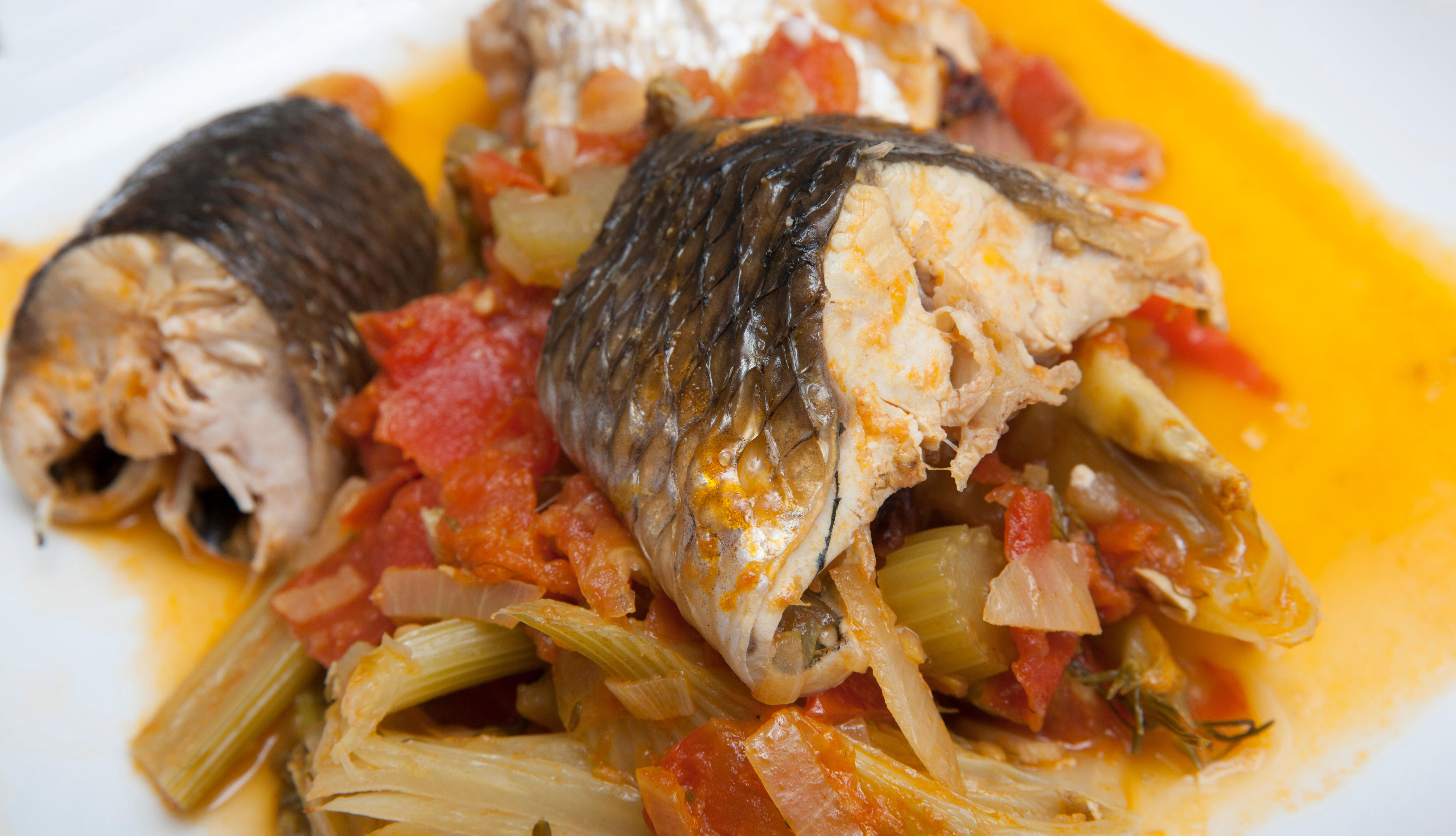
Sudado de pescado
Fish steamed with vegetables, chicha de jora, ají amarillo, and cilantro. It is a healthy dish that highlights the natural flavor of the fish while keeping it juicy and tender.
Causa limeña
Layers of yellow potato mixed with lime, ají amarillo, and oil, filled with chicken, tuna, avocado, or seafood. It is molded and decorated with hard-boiled eggs, olives, and avocado.
The potato must be creamy but firm, able to hold its shape when cut. It is a versatile dish that admits multiple variations.
Papa a la huancaína
Boiled potatoes covered with a creamy sauce of ají amarillo, fresh cheese, milk, soda crackers, and oil. It is decorated with hard-boiled egg and black olives.
The sauce must have the perfect consistency: neither too liquid nor too thick, with a balance between the heat of the chili and the softness of the cheese.
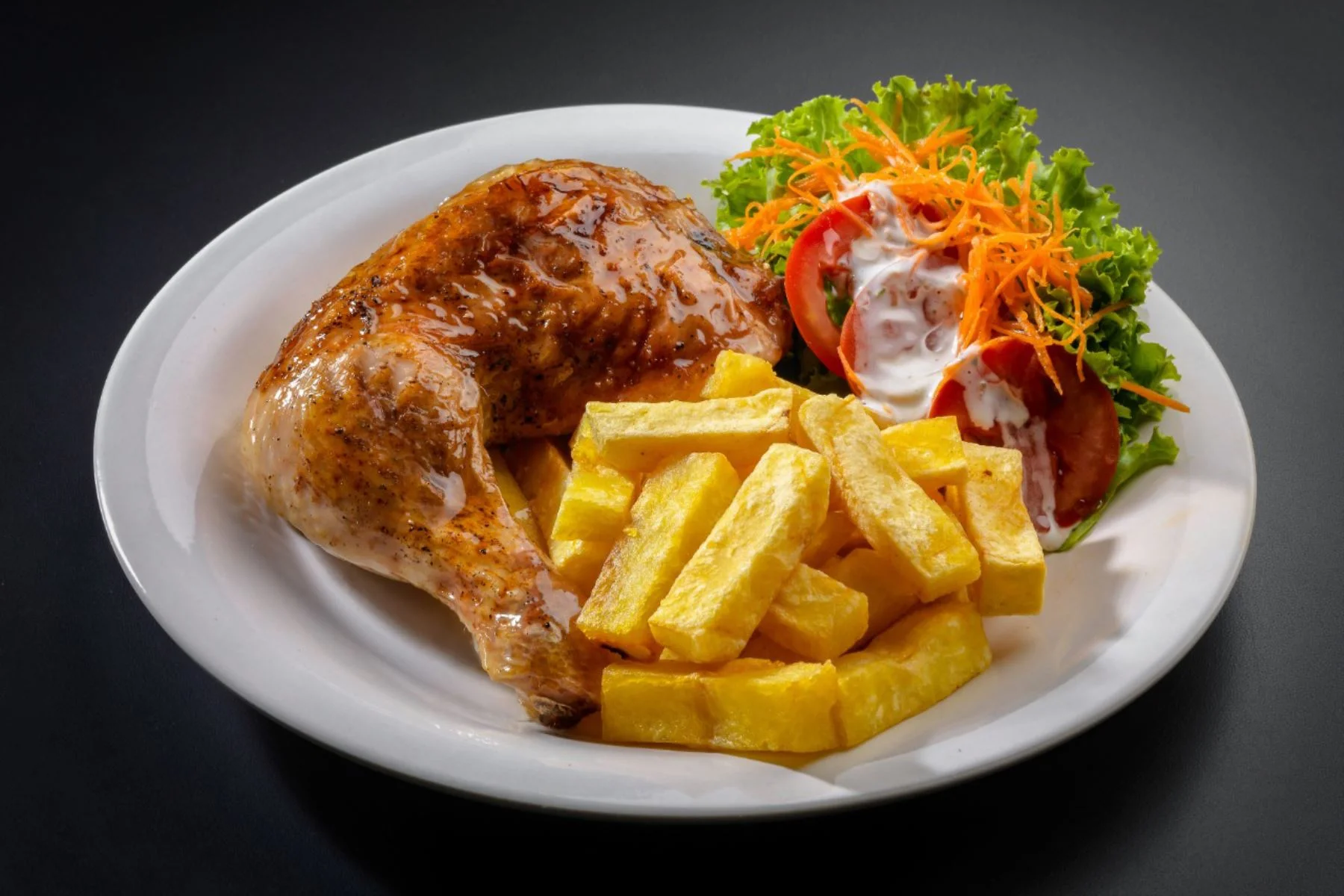
Pollo a la brasa
Chicken marinated with spices and cooked in a rotisserie oven. The skin becomes golden and crispy while the meat remains juicy. It is served with french fries and salad.
The secret is in the marinade: a mixture of spices that includes cumin, ají panca, soy sauce, and chicha de jora, which gives it its distinctive flavor.
Dishes from the Highlands
Ají de gallina
Shredded chicken in a creamy sauce of ají amarillo, walnuts, bread, milk, and cheese. It is served over boiled potato with white rice and decorated with hard-boiled egg and olives.
The texture of the sauce is key: it must be thick and creamy, with an intense golden color. Walnuts provide body while the chili gives the characteristic flavor.
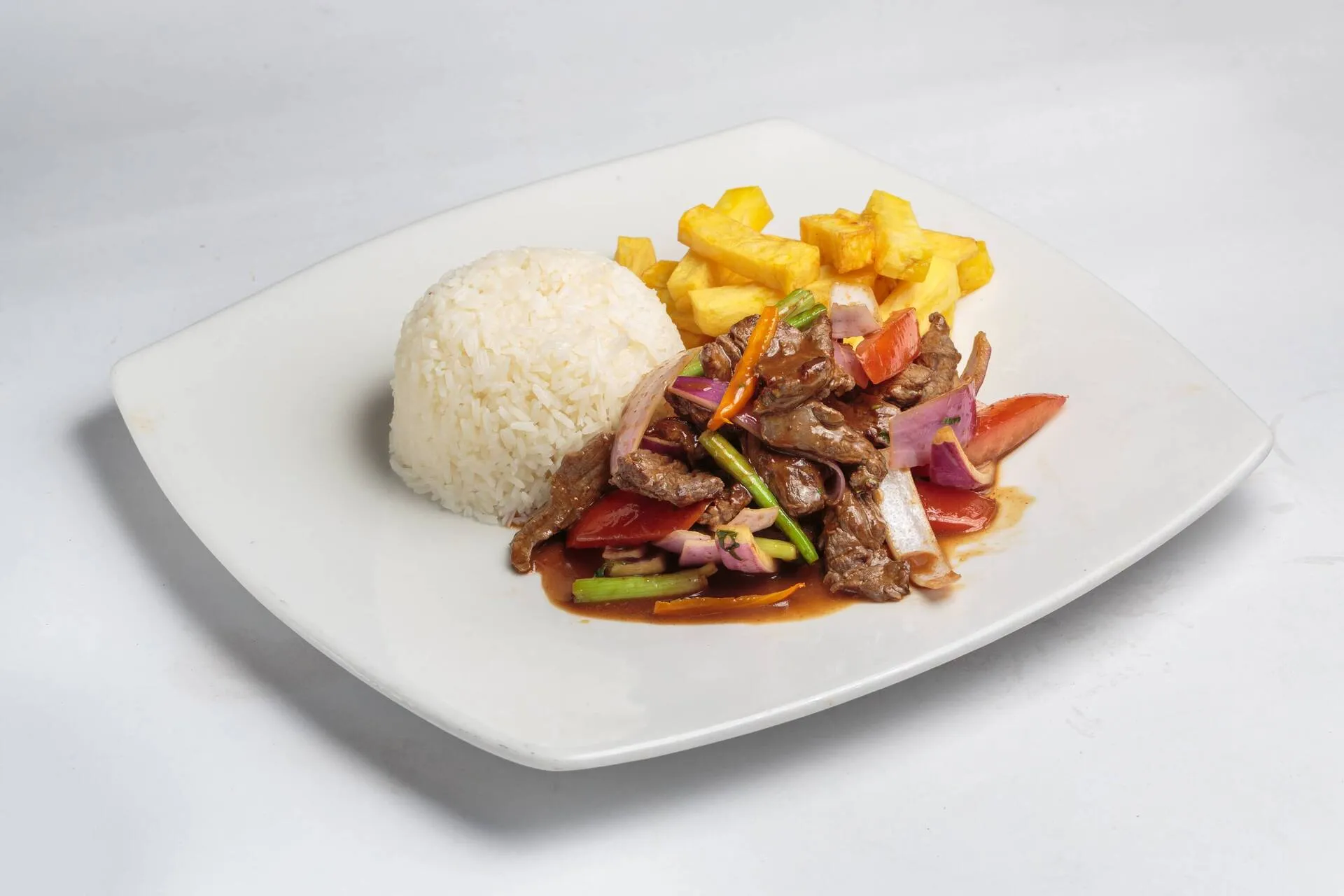
Lomo saltado
Strips of beef stir-fried over high heat with onion, tomato, ají amarillo, and french fries. It is flambéed with pisco and seasoned with soy sauce. It is the perfect fusion between the Oriental stir-fry technique and Peruvian ingredients.
The wok must be very hot so the ingredients sear quickly, maintaining their texture and concentrating the flavors.
Anticuchos
Skewers of beef heart marinated in ají panca, chicha de jora, cumin, and garlic, grilled. They are served with boiled potato and chili sauce.
The marinade must penetrate the meat for several hours. Grilling requires high heat to seal the exterior while keeping the interior tender.
Pachamanca
Meats and tubers cooked underground with hot stones. It includes lamb, goat, pork, chicken, potatoes, sweet potato, corn, and fava beans. Banana leaves aromatize the cooking.
It is an ancestral cooking method that requires careful preparation. The stones must be heated for hours and the earth must be sealed perfectly.
Cuy chactado
Guinea pig fried and pressed until crispy, served with golden potatoes and chili sauce. It is a traditional highland dish, especially from Arequipa.
The chactado technique consists of pressing the guinea pig while frying so that it becomes completely golden and crispy.
Olluquito con charqui
Stew of olluco (Andean tuber) with salted dried meat, onion, garlic, and ají amarillo. It is a nutritious and comforting dish of highland cuisine.
The olluco must be cooked until tender but not falling apart, while the charqui provides an intense salty flavor.
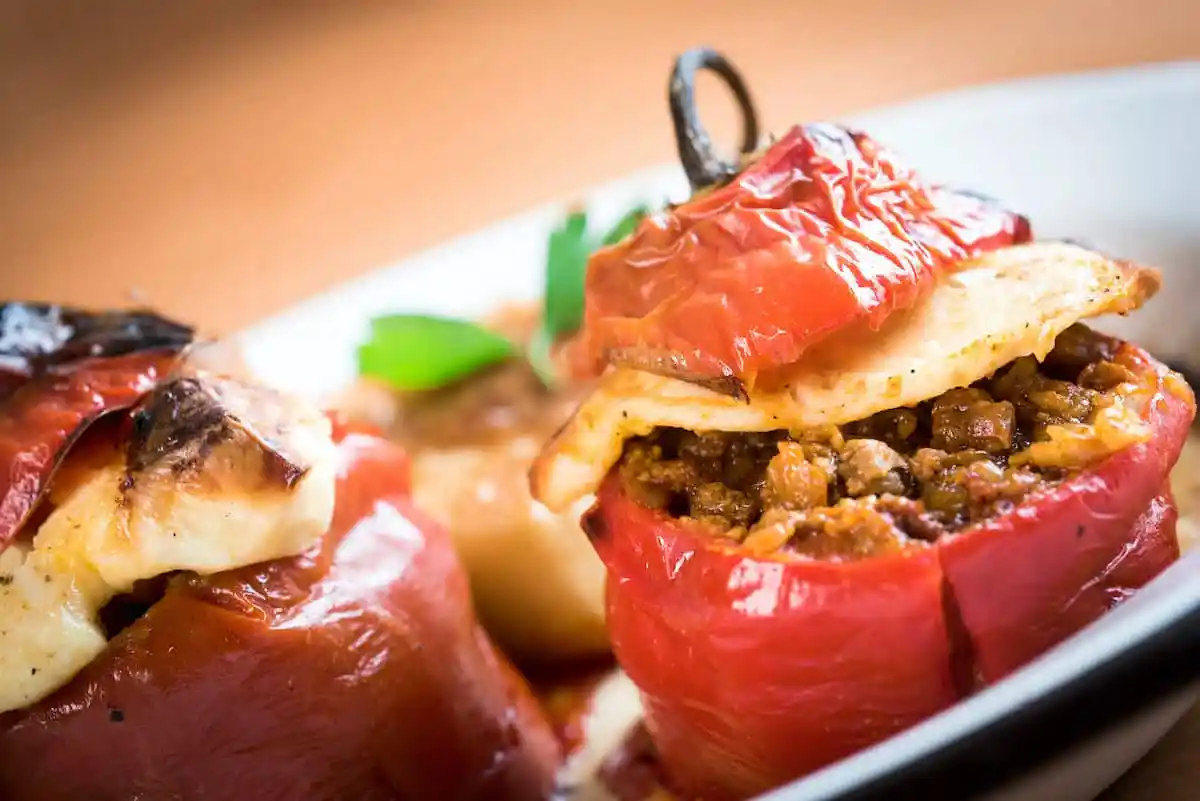
Rocoto relleno
Rocoto peppers stuffed with ground meat, raisins, peanuts, and spices, topped with cheese and gratinated. It is served with golden potatoes.
The rocotos must be completely deveined to control the heat, while the filling must be juicy and well seasoned.
Carapulcra con sopa seca
Dried potato stew with pork and peanuts, accompanied by noodles with beans and basil. It is a hearty dish that combines two traditional preparations.
The dried potato must be properly hydrated and cooked until tender. The noodles are mixed with the basil sauce while still hot.
Papa rellena
Mashed potato stuffed with meat stew, hard-boiled egg, and olives, breaded and fried. The golden crust contrasts with the juicy and flavorful filling.
The potato dough must have the exact consistency to mold without cracking, and the filling must be well seasoned and without excess liquid.
Cau cau
Tripe stew with yellow potatoes in ají amarillo and cilantro sauce. It is a popular dish that requires patience in cooking the tripe until tender.
Chupe de camarones
Thick soup with shrimp, potatoes, corn, fava beans, rice, and fresh cheese. It is thickened with milk and beaten eggs. It is the flagship dish of Arequipa.
The shrimp must be cooked to the exact point, while the creamy consistency is achieved by gradually incorporating the beaten eggs.
Dishes from the Jungle
Juane
Rice with chicken, hard-boiled egg, and olives wrapped in bijao leaves and boiled. It is the traditional dish of San Juan in the Peruvian Amazon.
The bijao leaves give a unique aroma to the rice, while steam cooking keeps all the flavors concentrated.
Tacacho con cecina
Mashed green plantain mixed with pork cracklings, accompanied by cecina (smoked dried meat) and chorizo. It is the traditional jungle breakfast.
The plantain must be at the exact ripeness and the cracklings provide the necessary fat for a creamy texture.
Patarashca
Fish wrapped in banana leaves with spices and cooked over coals. The leaves aromatize the fish while keeping it moist.
Ensalada de chonta
Fresh palm heart with onion, tomato, avocado, and lime. It is a refreshing preparation that takes advantage of this unique Amazonian ingredient.
Inchicapi
Thick peanut soup with chicken, yuca, cilantro, and corn. It is a nutritious and comforting dish of Amazonian cuisine.
Fusion dishes
Arroz chaufa
Fried rice with Chinese technique adapted with Peruvian ingredients. It includes egg omelet, Chinese onion, soy sauce, and can contain chicken, pork, or seafood.
The rice must be grainy and the wok very hot to achieve the characteristic smoky flavor of chaufa.
Tallarín saltado
Stir-fried noodles with meat, onion, tomato, and ají amarillo. It is the Peruvian version of Chinese noodles, more seasoned and with local vegetables.
Tacu tacu
Beans and leftover rice stir-fried together, traditionally served with steak, fried plantain, and salsa criolla.
Aguadito
Creamy rice with cilantro, chicken or seafood, vegetables, and ají amarillo. It is a comforting dish, perfect for cold days.
Chanfainita
Stew of lungs and beef heart with beans, onion, and ají amarillo. It is a popular and economical dish of creole cuisine.
Peruvian desserts you cannot miss
Mazamorra morada
Dessert of purple corn cooked with dried fruits, spices, and sugar. Its intense purple color and creamy texture make it irresistible.
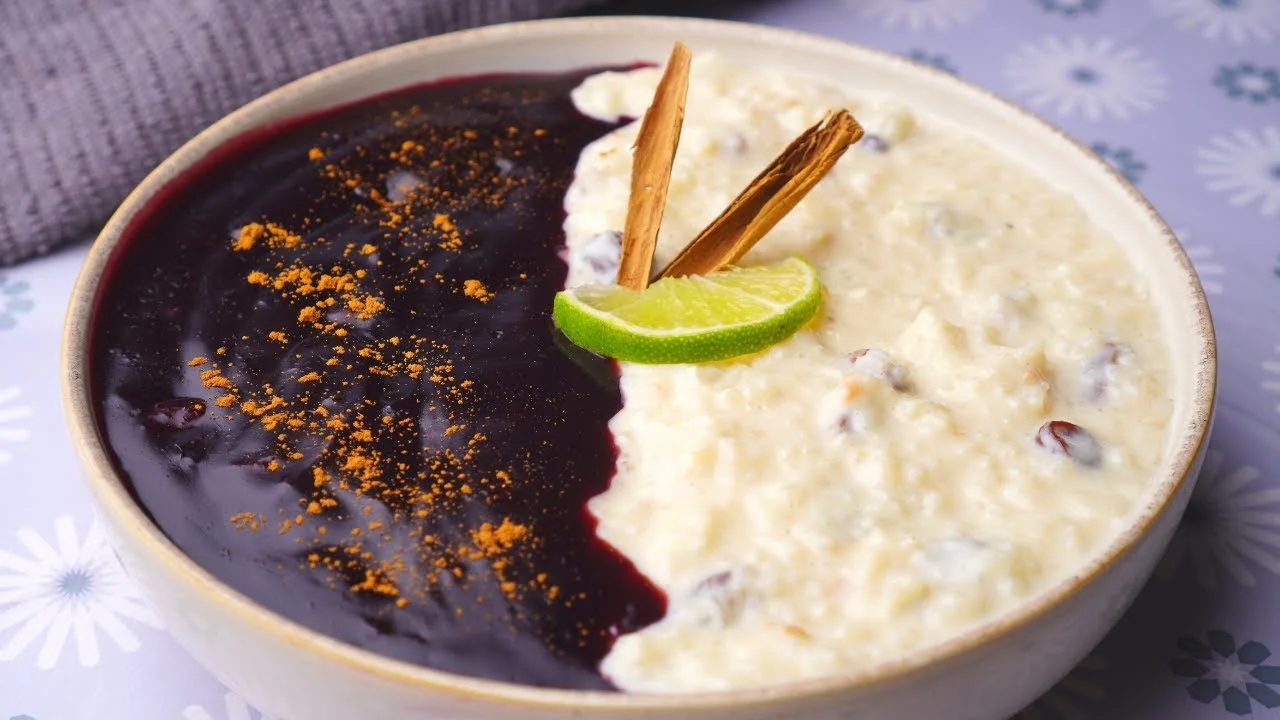
Arroz con leche
Rice slowly cooked in milk with cinnamon, cloves, and sugar. It is served cold sprinkled with cinnamon.
Suspiro a la limeña
Manjar blanco topped with Port wine meringue. It is an elegant dessert with a silky texture and delicate flavor.
Picarones
Dough of squash and sweet potato fried in the shape of rings, bathed in chancaca honey. It is the most popular street dessert.
Turrón de Doña Pepa
Sweet of fried dough in layers with chancaca honey, decorated with colorful sprinkles. It is traditionally prepared in October.
Peruvian drinks to accompany your dishes
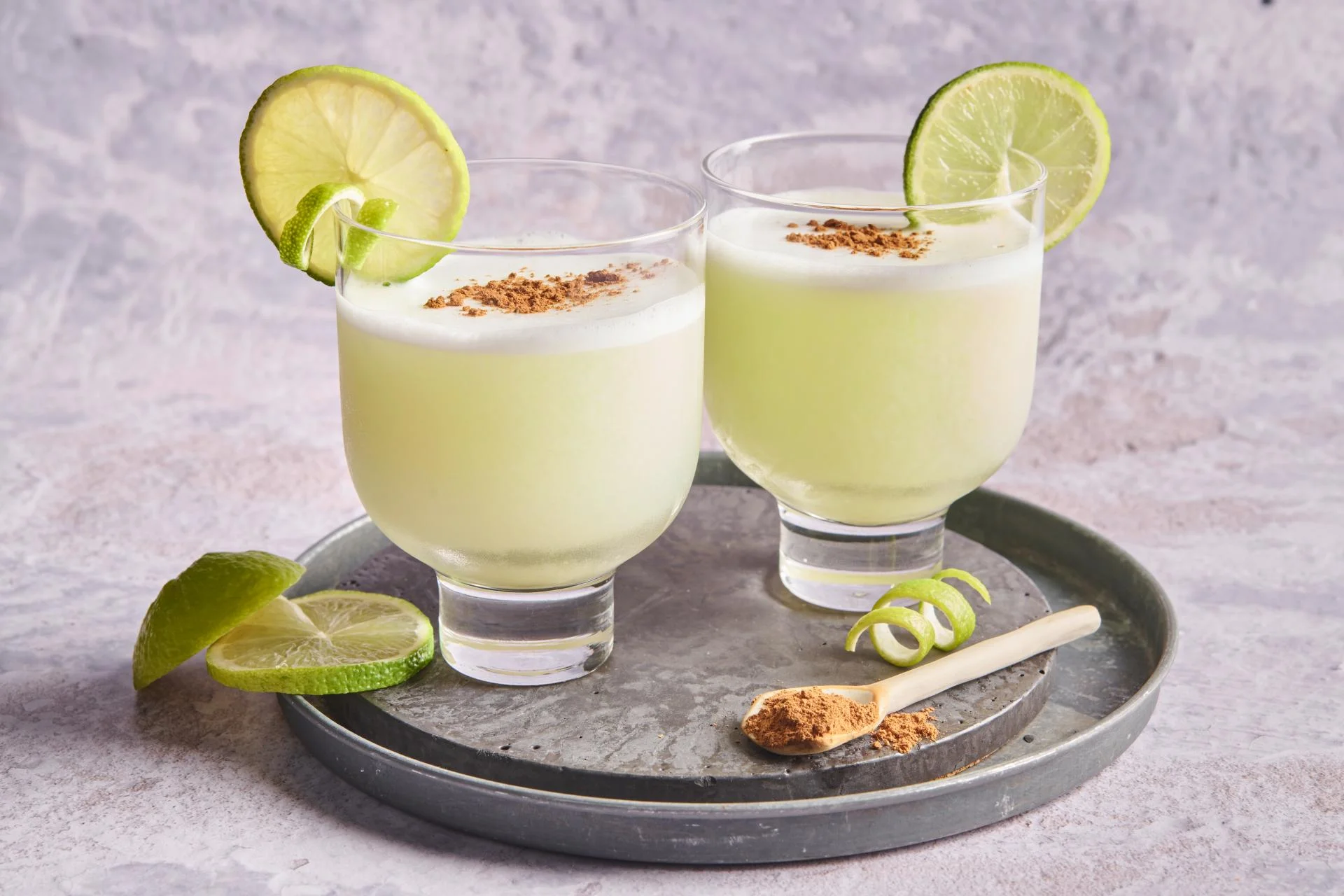
Pisco sour
Cocktail of pisco, lime, gomme syrup, egg white, and drops of Angostura bitters. It is the national drink of Peru.
Chicha morada
Refreshing drink of boiled purple corn with spices and fruits. It is antioxidant and perfect for accompanying spicy meals.
Chicha de jora
Fermented drink of jora corn with millennia-old tradition. It is consumed in celebrations and has ritual significance.
Inca Kola
Golden soda with a unique flavor that has become a national icon. Its color and taste make it unmistakable.
Peruvian gastronomy invites you on a unique sensory journey. Each dish represents centuries of history, tradition, and innovation. They are not just recipes, they are experiences that connect with the essence of a diverse and welcoming country.